


In today’s digital-first economy, data is no longer optional – it is essential. Web development has evolved far beyond delivering static pages or simple user interfaces. Modern platforms now function as analytics-driven ecosystems that collect, process, and present actionable insights, enabling businesses to make informed decisions in real time. A custom web app development company can transform raw data into actionable insights by building adaptive, high-performance platforms designed to evolve with business growth.

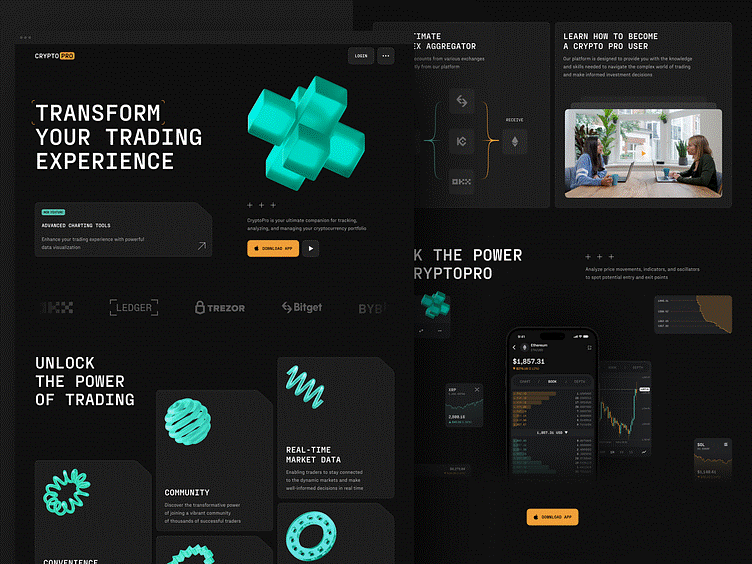
Crypto Trading Website Animation designed by Shakuro
Companies that can measure the right metrics, interpret user behavior accurately, and respond quickly gain a distinct competitive advantage, optimizing growth, user satisfaction, and operational efficiency.
This article explores how analytics-integrated web development empowers smarter decision-making, highlights the key frameworks and tools developers rely on, and shares best practices for turning raw data into meaningful business insights.
Why Analytics Is a Core Component of Web Development
Historically, web development focused primarily on design, functionality, and performance. While these elements remain foundational, the addition of analytics has transformed platforms into decision-making engines. Analytics is no longer an afterthought – it is central to understanding user behavior, measuring success, and iterating on features and experiences.
The Strategic Role of Analytics
- User Behavior Insights. Analytics allow developers and product teams to understand how visitors navigate the site, interact with features, and convert into paying customers or subscribers. By tracking clicks, session flows, and engagement patterns, businesses can identify which aspects of the platform are effective and which require optimization.
- Performance Measurement. Platforms can detect bottlenecks, errors, and friction points that degrade user experience. Monitoring metrics such as load times, error rates, and abandonment points helps teams quickly pinpoint technical issues and optimize performance proactively.
- Data-Driven Design. Insights gathered from real user interactions inform UX improvements and feature prioritization. Instead of relying solely on assumptions or subjective feedback, teams can base design decisions on observed behavior, increasing the likelihood of success and reducing costly redesigns.
- Revenue Optimization. Analytics make it possible to correlate engagement patterns with conversions, subscriptions, and revenue. By understanding which behaviors predict purchase decisions or subscription upgrades, businesses can tailor marketing, product offerings, and user experiences to maximize ROI.
A web platform without integrated analytics is like a ship sailing blind: it may move forward, but without insight into user behavior, performance, and outcomes, teams cannot effectively measure success or adjust course. Analytics transforms a platform into a strategic asset, providing clarity, precision, and actionable intelligence that drives growth and competitive advantage.
Key Metrics That Matter
In analytics-driven web development, not all data carries the same weight. Collecting every possible metric without focus can overwhelm teams and obscure insights that truly drive business outcomes. To make data actionable, development and product teams must identify and track the right key performance indicators (KPIs), ensuring that analytics inform decision-making in a meaningful way.
Engagement Metrics
Understanding how users interact with a platform is critical for designing experiences that keep them active and satisfied. Key engagement indicators include:
- Time on Page and Scroll Depth. Measure how long users spend engaging with content and whether they explore it fully. This highlights which pages or features hold attention and which may need optimization.
- Click-Through Rates (CTR). Track how effectively calls-to-action, links, and navigational elements guide users toward desired behaviors.
- Interaction Patterns with Features and Forms. Analyze how users engage with core functionalities, from filling forms to interacting with interactive components, providing insight into usability and feature adoption.
Conversion Metrics
Conversion metrics directly link user behavior to business results, revealing how well a platform turns engagement into measurable outcomes:
- Lead Capture and Form Completions. Measure the effectiveness of signup flows, contact forms, and onboarding processes.
- E-Commerce Transactions and Subscription Sign-Ups. Track purchases, subscriptions, and plan upgrades to understand revenue drivers and optimize monetization.
Retention and Churn Metrics
Retention is the lifeblood of subscription-driven and recurring revenue platforms. Metrics here help predict and prevent churn:
- Repeat Visits and Active Users. Track frequency and consistency of user engagement to identify loyal segments and usage patterns.
- Customer Lifetime Value (CLV). Understand the long-term revenue potential of different user cohorts.
- Drop-Off Points and Friction Analysis. Identify where users abandon tasks, abandon carts, or disengage, highlighting areas for UX or technical improvements.
Performance Metrics
Technical performance strongly impacts both user satisfaction and business outcomes. Monitoring these ensures a smooth, reliable experience across all devices:
- Page Load Times, Error Rates, and Server Response Times. Measure speed and reliability to ensure users can interact with the platform without frustration.
- Mobile vs. Desktop Performance Differences. Understand device-specific bottlenecks, as performance issues on mobile can disproportionately affect engagement and conversions.
By focusing on actionable KPIs, web development teams can prioritize resources and efforts where they deliver the greatest impact on growth, retention, and revenue. Analytics transforms raw data into strategic insight, allowing teams to pivot quickly, optimize experiences, and continuously improve outcomes. Leveraging social app development enables platforms to integrate community features, real-time interactions, and user engagement tools that drive long-term growth and retention.

Real Estate Website Design designed by Shakuro
Integrating Analytics Into Web Development
In modern web development, analytics cannot be treated as an afterthought. Platforms that incorporate data tracking and measurement from the earliest stages gain a strategic advantage: they are able to understand user behavior in real time, optimize experiences continuously, and make evidence-based product decisions. Analytics should be woven into the architecture and workflow of the platform, ensuring that every interaction, feature, and journey can be measured, analyzed, and acted upon.
Best Practices for Analytics-Driven Development
- Instrumentation at the Code Level. Every feature and interaction should be designed to be measurable. Developers should implement instrumentation hooks in the codebase that capture usage events, errors, and performance metrics, creating a foundation for robust data analysis. This ensures that insights are available before the platform scales or new features are released.
- Event Tracking and Tagging. Granular event tracking allows teams to capture detailed user behavior. This includes clicks, scrolls, form submissions, feature usage, and navigation paths. Proper tagging ensures that data is accurate, structured, and actionable, enabling teams to detect trends, friction points, and opportunities for improvement.
- Dashboards for Stakeholders. Analytics data must be accessible and interpretable across teams. Visual dashboards for designers, developers, product managers, and executives help stakeholders understand usage patterns, adoption rates, and performance trends at a glance. Clear visualization turns raw data into insights that drive actionable decisions.
- Iterative Testing. Analytics should inform continuous experimentation. A/B tests, multivariate tests, and cohort analyses allow teams to validate hypotheses, compare feature variations, and refine UX elements. By testing assumptions against real user data, development teams can implement changes confidently, minimizing guesswork.
- Data Governance. Maintaining accuracy, privacy, and security is critical. Analytics processes must comply with regulations such as GDPR and CCPA, ensure proper anonymization where needed, and protect sensitive user information. Reliable data governance ensures that insights are trustworthy and that user trust is maintained.
Platforms designed with analytics at their core enable organizations to iterate quickly, optimize features, and improve user engagement consistently, transforming development into a data-informed process rather than a reactive one.
Case Study: Using Analytics to Drive Strategic Decisions
A B2B SaaS platform faced challenges with low user retention. While the platform attracted sign-ups, many users failed to engage with core features, limiting revenue growth and long-term success.
Problem
Users registered for the service but rarely completed onboarding or used key functionality. The company lacked visibility into user behavior, preventing targeted interventions to improve engagement.
Solution
Developers implemented analytics-driven dashboards to capture and visualize critical data points:
- Feature Usage Tracking. Monitored which tools and functionalities were being used most frequently.
- Onboarding Completion Rates. Tracked how many users completed each stage of the onboarding process.
- Drop-Off Points. Identified where users disengaged or abandoned key workflows.
Outcome
The insights gathered allowed the team to redesign experiences strategically:
- Redesigned Onboarding Flow Increased Engagement by 30%, as step-by-step guidance and contextual prompts helped users understand the platform’s value faster.
- Feature Adoption Rose by 25%, as usage patterns informed prioritization and improvements to underutilized functionalities.
- Customer Churn Decreased by 15%, reflecting higher retention due to more intuitive onboarding, targeted interventions, and a better overall experience.
This example demonstrates that analytics-driven web development transforms raw data into actionable insights. By embedding measurement at every stage of the platform and using data to guide decisions, companies can enhance user engagement, optimize features, and create measurable business value, turning analytics into a core strategic advantage rather than a supplementary tool.
Emerging Trends in Analytics-Driven Web Development
The field of web development continues to evolve rapidly, and analytics has moved from a supplemental tool to a core component of platform strategy. Modern development teams are leveraging advanced technologies and methodologies to extract deeper insights, improve user experiences, and inform strategic decisions in real time. Staying ahead requires adoption of emerging trends that maximize the value of data across the entire user journey.
Key Trends Shaping the Future
- AI and Predictive Analytics. Artificial intelligence allows platforms to forecast user behavior, identify potential churn, and suggest proactive interventions. By analyzing patterns in usage, predictive models can optimize onboarding sequences, personalize content, and recommend features tailored to individual needs, driving engagement and retention before problems occur.
- Real-Time Analytics. Immediate feedback on platform performance and user interactions enables teams to detect bugs, usability issues, or friction points instantly. Real-time dashboards allow developers to respond quickly, whether it’s correcting a broken feature, improving navigation flows, or adapting to sudden shifts in user behavior, ensuring that the user experience remains seamless.
- Cross-Platform Data Integration. Modern users interact with services across multiple touchpoints, including web, mobile apps, and CRM systems. Integrating data from these sources provides a holistic view of the customer journey, helping teams understand engagement patterns, preferences, and pain points. This integration also enables more effective segmentation, targeted messaging, and consistent experiences across devices.
- Customizable Dashboards. Empowering non-technical stakeholders with dashboards that visualize key metrics is increasingly essential. Executives, product managers, and designers can monitor KPIs, track feature adoption, and evaluate performance trends without relying on data specialists, fostering a culture of data-driven decision-making across the organization.
- Automated Insights and Alerts. Platforms are beginning to incorporate automated insights, anomaly detection, and AI-driven alerts that highlight unusual behavior or emerging trends. This ensures teams can act proactively rather than reactively, minimizing potential disruptions and maximizing opportunities.
Adopting these trends allows businesses to turn analytics into a strategic advantage, ensuring decisions are informed by real-time, actionable data while remaining agile in a competitive digital landscape.
Conclusion
Analytics-driven web development has evolved from being a supplementary feature to a strategic imperative that underpins modern digital businesses. Today’s platforms are expected not only to function smoothly but also to capture meaningful metrics, monitor user behavior in real time, and generate actionable insights. By systematically collecting and analyzing data, companies gain the ability to make informed decisions about product design and user experience, ensuring that every development effort is aligned with both user needs and business goals.
When analytics is embraced strategically, it enables companies to increase engagement and retention by revealing what motivates users, what keeps them returning, and which interactions drive satisfaction. Insights into feature usage, navigation patterns, and content engagement allow teams to optimize the user journey, removing friction and enhancing the overall experience. Similarly, analytics provides a foundation for optimizing conversion and revenue, as understanding behavioral trends allows businesses to link engagement patterns directly to monetization strategies. By identifying which actions correlate with purchases, subscriptions, or upsells, platforms can refine their workflows, prompts, and incentives to maximize revenue outcomes.
Beyond growth metrics, analytics helps organizations reduce operational inefficiencies. Monitoring user interactions and system performance uncovers friction points, redundant processes, or underutilized features, allowing teams to streamline workflows and allocate resources more effectively. This proactive approach minimizes wasted effort and ensures that development priorities align with measurable impact. Moreover, the integration of analytics fosters a culture of continuous improvement, where data informs experimentation, A/B testing, and iterative design. Platforms are no longer static products; they evolve in response to real-world user behavior, allowing businesses to adapt quickly and maintain relevance in fast-changing markets.
In today’s digital economy, web development and analytics are inseparable. Platforms that not only measure what matters but also leverage emerging analytics trends – such as AI-driven personalization, real-time feedback, and cross-platform integration – can continuously refine user experiences. This approach allows companies to move beyond mere survival, turning data into a sustainable competitive advantage. By embedding analytics deeply into both architecture and organizational processes, businesses ensure that every interaction, feature, and update contributes to long-term growth, improved engagement, and measurable business success.