

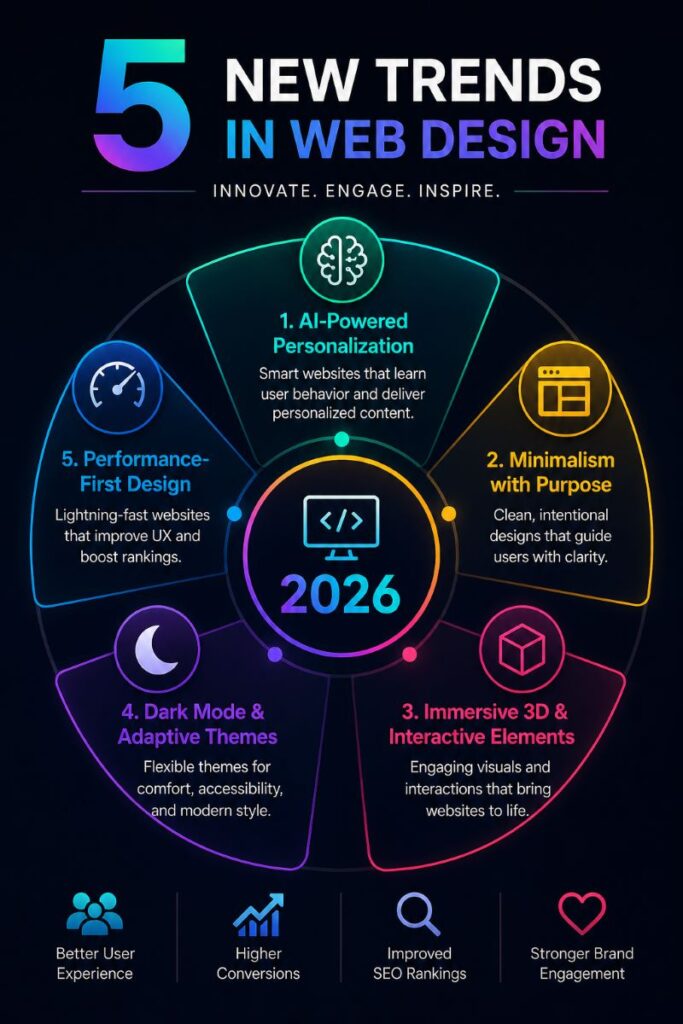

Web design continues to evolve rapidly as user expectations, technology, and digital behavior shift. In 2026, websites are no longer just digital brochures—they are immersive, intelligent, and highly personalized experiences. Here are five key trends shaping modern web design.
According to Sharad Agarwal, CEO of Cyber Gear, “The future of web design lies at the intersection of AI efficiency and human creativity, where technology accelerates execution, but strategy and experience remain deeply human.”
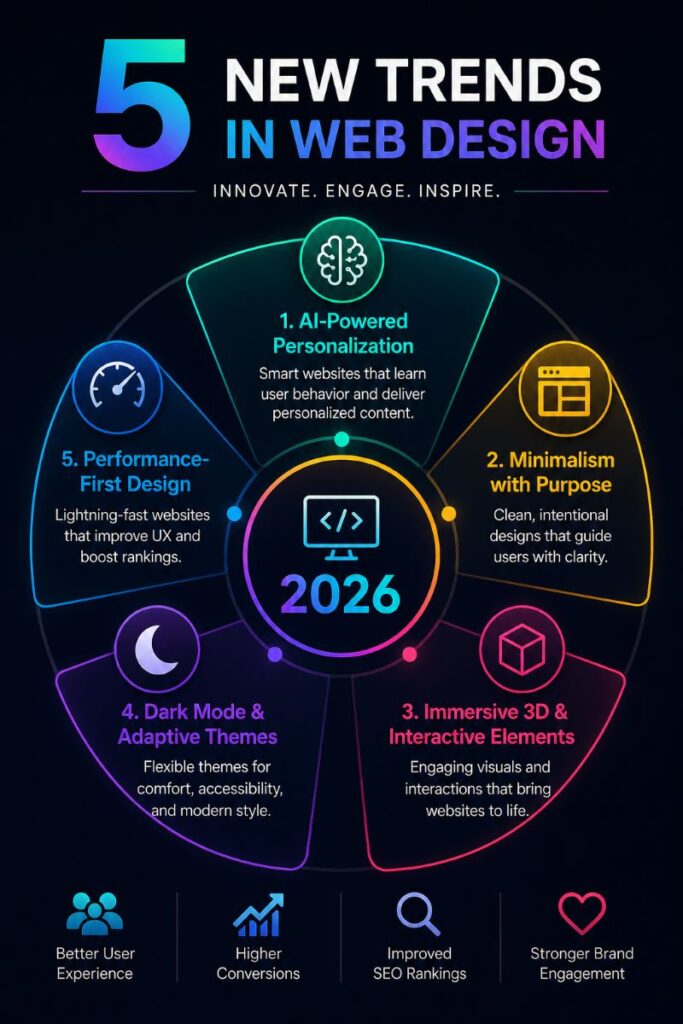
- AI-Powered Personalization
Artificial Intelligence is transforming how websites interact with users. Instead of offering a one-size-fits-all experience, websites now adapt content, layouts, and recommendations in real time. From personalized product suggestions to dynamic landing pages, AI helps create a unique journey for every visitor. This not only improves user engagement but also increases conversion rates. Businesses are leveraging AI tools to analyze user behavior and deliver content that feels intuitive and relevant.
- Minimalism with Purpose
Minimalism is not new, but in 2026 it has become more strategic. Designers are focusing on clean layouts, ample white space, and clear visual hierarchy to guide users effortlessly. Every element on the page serves a purpose, nothing is added without intention. This approach improves load speed, enhances readability, and ensures that users can quickly find what they need. Purpose-driven minimalism also aligns well with mobile-first design, where simplicity is key.
- Immersive 3D and Interactive Elements
Advancements in browser capabilities have made it easier to integrate 3D graphics and interactive features into websites. From scroll-triggered animations to interactive product demos, these elements create a more engaging user experience. Brands are using 3D visuals to tell stories, showcase products, and stand out in a crowded digital landscape. When used thoughtfully, these features can significantly increase user retention and make websites more memorable.
- Dark Mode and Adaptive Themes
Dark mode continues to gain popularity, not just for aesthetics but also for usability. Users now expect the option to switch between light and dark themes based on their preferences or device settings. Adaptive design goes a step further by automatically adjusting color schemes, brightness, and contrast. This improves accessibility and reduces eye strain, especially for users who spend long hours online. Designers are creating flexible systems that ensure consistency across all viewing modes.
- Performance-First Design
Speed and performance are now central to web design decisions. With users expecting instant results, even a one-second delay can impact engagement and conversions. Designers are prioritizing lightweight frameworks, optimized images, and efficient coding practices. Core Web Vitals and performance metrics play a crucial role in shaping design strategies. A fast-loading website not only improves user experience but also boosts search engine rankings, making performance a competitive advantage.
Web design in 2026 is driven by a blend of creativity, technology, and user-centric thinking. From AI-powered personalization to performance-first approaches, these trends highlight a shift toward more intelligent and meaningful digital experiences. Businesses that embrace these innovations will be better positioned to capture attention, engage users, and stay ahead in an increasingly competitive online world.
Contributed by GuestPosts.biz
The post Top 5 Trends For Web Design first appeared on UAE Today Blog.