

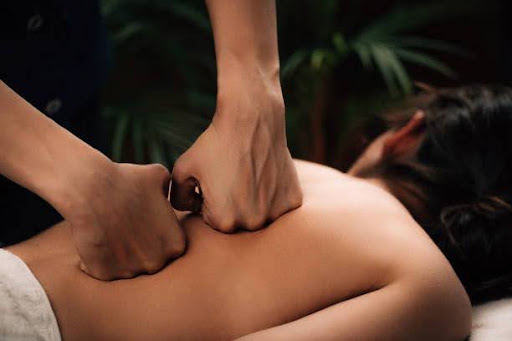

Timing a massage well is not about finding a gap in the diary. It is about matching the session to what your body is actually dealing with at that point in the day. The right timing makes the session work harder — the body responds faster, the benefits last longer, and the recovery extends further into the hours that follow.
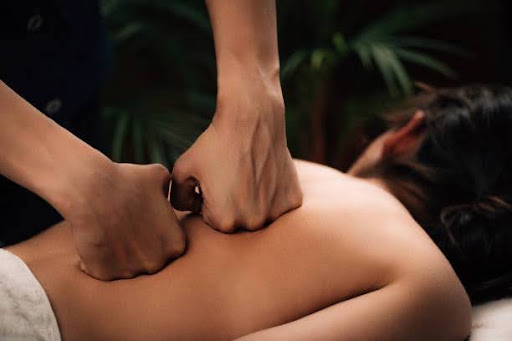
Abu Dhabi’s pace makes this more relevant than people realise. Long working hours, heavy traffic, offices kept cold enough to cause their own muscle tightening, and a lifestyle that rarely builds in genuine rest — these are the daily conditions most residents are managing. Knowing when to book, and why it matters, is the difference between a session that feels good for an afternoon and one that resets the body for days.
Why Timing Changes the Outcome
The body is not in the same state at 7am as it is at 7pm. Stress-related chemicals follow a natural daily rhythm — higher in the morning as the body prepares for demands, gradually declining through the evening as it shifts toward rest. Muscle tissue responds differently depending on how much load it has carried. The nervous system reacts to touch differently depending on whether it is wound up or beginning to settle.
A session that works with these rhythms delivers noticeably better results than one that works against them. For someone whose primary goal is sleep, a 9am booking produces a fundamentally different outcome than a 7pm one. For someone recovering from training, timing relative to the workout changes what the body can absorb. Understanding these windows makes the choice straightforward.
Morning Sessions: Clearing the Baseline
Morning massage is underused. Most people assume bodywork belongs in the evening, and they miss a genuinely valuable window.
After a night of sleep, the body has been stationary for six to eight hours. For anyone carrying tension in the neck and upper back — which describes most desk workers — morning stiffness is real and compounds quickly once the day begins. A session in the first two hours of the morning addresses this baseline tightness before the day’s demands add to it. The tissue is receptive, the nervous system has not yet been activated by work pressure, and a well-delivered session leaves most people feeling physically lighter and mentally clearer for the hours that follow.
Morning sessions suit people with flexible working arrangements, those who exercise early, and anyone whose mental clarity drops as the day progresses. A relaxation-focused 60-minute session is the right length — enough to mobilise the tissue and settle the nervous system without pushing into deep recovery territory that would leave the body wanting rest rather than activity.
Midday Sessions: The Workday Reset
The midday window — roughly between noon and 2pm — is one of the most practical but least considered options for Abu Dhabi’s working population.
By midday, the physical effects of a morning at a desk are already established. The shoulders have crept upward. The neck has drifted forward. The lower back has been under load for three or four hours. A session at this point interrupts the accumulation before it compounds through the afternoon. Most people who try a midday session report noticeably better concentration and physical comfort for the second half of the day.
For residents who work close to home or remotely, a midday home session is genuinely practical. No travel, no transition time lost, and the session fits into a lunch break without extending the working day at either end. Sixty minutes is the right length — enough to address the morning’s load, short enough to leave the afternoon fully available.
Evening Sessions: The Strongest Window for Most People
For the majority of Abu Dhabi residents, the evening slot between 6pm and 9pm delivers the best results — and the reason is straightforward.
This window aligns with the body’s natural shift away from the active, alert state the working day requires and toward the recovery state that sleep depends on. Stress-related chemicals begin their natural evening decline during this period. A massage session accelerates that decline. Research consistently shows that a well-delivered session significantly reduces stress hormones and raises serotonin — the chemical the body converts into melatonin for sleep. The result is not just relaxation. It is active preparation for deeper, more restorative sleep.
For many Abu Dhabi residents managing demanding schedules, booking a home massage in Abu Dhabi therapist for an evening appointment has become the most practical way to maintain a consistent wellness routine. The therapist arrives at the door, the session runs in the client’s own space, and there is no return journey that erodes the benefit before it consolidates.
Sixty minutes is effective. Ninety minutes allows deeper work and is worth the extra time for anyone whose primary goal is sleep quality.
Late Evening: The Sleep Window
For anyone whose main concern is sleep quality, the most targeted booking time is 60 to 90 minutes before bed.
This is not simply about feeling calm before sleeping. It is about giving the body time to convert the serotonin raised during the session into melatonin before sleep onset. When this conversion window aligns with the body’s natural wind-down, the quality of the first sleep cycles — the most physically restorative part of the night — improves noticeably.
Residents dealing with disrupted sleep from sustained work pressure or irregular hours find this timing particularly effective. A session ending at 10pm, followed by a quiet transition and sleep by 10:30 or 11pm, consistently produces better rest than the same session taken earlier in the day.
The right style for this window is calm and unhurried — medium pressure, Swedish or relaxation focused, with emphasis on the back, neck, and scalp where tension most directly interferes with settling into sleep.
Post-Exercise: The Recovery Window
For anyone training regularly, timing bodywork relative to exercise is a separate and important consideration.
The most effective window is two to four hours after a session rather than immediately after. This allows the body’s acute response to exertion to settle before adding further stimulus. Work done in this window addresses the soreness that builds as the body processes the demands of training, improves circulation to tissue still clearing the by-products of exertion, and helps maintain the range of motion that high training loads progressively reduce.
Abu Dhabi has a strong fitness community — running along the Corniche, gym training, swimming, cycling. Active residents who add regular bodywork to their training schedule consistently report less cumulative soreness and fewer of the nagging strains that come from sustained training volume without adequate recovery. A sports or deep tissue focused session of 60 to 90 minutes, booked for the afternoon or early evening after a morning training session, fits this pattern well.
Weekend Sessions: Time to Fully Recover
The weekend slot — Friday or Saturday morning — offers something weekday sessions cannot: time after the session to remain in the recovery state without re-engaging immediately with demands.
The 30 to 60 minutes following a massage is when the body consolidates the benefits most completely. Stress-related chemicals are at their lowest. The body is genuinely calm. Sleep that comes during or just after this window tends to be unusually deep and restorative. On a weekday evening, this window is often consumed by the remaining demands of the night. On a weekend morning, the rest of the day is available.
For anyone carrying a level of accumulated tension that a single weekday session does not fully address, the weekend morning slot delivers the most complete reset available.
Matching the Session Style to the Time
The technique matters as well as the timing.
A Swedish relaxation session in the morning energises without sedating — the right tool for that window. The same session at 9pm, with slower strokes and emphasis on the neck and back, prepares the body for sleep. Deep tissue work suits evenings and days off, when any post-session soreness has time to resolve before the next day’s demands begin. Sports massage fits naturally two to four hours after training. Aromatherapy sessions using calming oils amplify the relaxation effect of an evening booking.
Communicating the goal when booking — not just the time but the outcome you want — allows the therapist to structure the session accordingly rather than delivering the same treatment regardless of context.
Building a Consistent Routine
A single well-timed session is useful. A consistent practice at the right time each week is where real benefit accumulates — lower baseline tension, better sustained sleep, and a body that recovers more efficiently from both work and physical activity over time.
The practical barrier for most Abu Dhabi residents is not motivation but logistics. A weekly commitment to travelling to a spa and returning afterward is genuinely difficult to sustain alongside a full schedule. For residents building a regular practice, booking a reliable massage at home Abu Dhabi service removes the primary obstacle entirely — the therapist arrives at the agreed time, the session runs at home, and the post-session recovery window is fully preserved rather than spent in transit.
Once weekly for the first six to eight weeks produces the most consistent cumulative improvement. Fortnightly sessions maintain the baseline after that. Monthly sessions provide relief but do not produce lasting change between appointments.
Practical Tips Before Every Session
Eat lightly in the two hours before a session. A full stomach reduces comfort and the body’s ability to fully relax. Drink water before and after, particularly after deeper work where circulation has been actively stimulated. Set the room to a comfortable temperature in advance — Abu Dhabi’s air conditioning often runs cold, and a cool room prevents muscle tissue from softening properly during the session. Clear a space of roughly two metres by one and a half metres for the treatment table. Turn off notifications. The session is recovery time. Everything else waits.
Frequently Asked Questions
What is the best time of day for a home massage?
For most people, early evening between 6pm and 9pm produces the strongest results because it aligns with the body’s natural shift toward recovery and directly supports sleep quality. That said, the best time depends on the goal — morning for energy and mobility, midday for a workday reset, late evening for targeted sleep improvement, and post-exercise for muscle recovery.
How long before bed should I book if my goal is better sleep?
Sixty to ninety minutes before your intended sleep time is the most effective window. This gives the session time to complete and allows the body’s natural chemical shift to translate into proper sleep preparation. A session ending at 10pm followed by sleep around 10:30 or 11pm consistently produces better rest than a session that ends immediately before bed.
Is a midday session worth it if I have to return to work afterward?
Yes. A 60-minute midday session that addresses the morning’s accumulated tension — primarily the neck, shoulders, and upper back — leaves most people noticeably more comfortable and focused for the afternoon. Allow 10 to 15 minutes of quiet after the session before returning to a screen rather than moving straight back to work.
How often should I book to notice a lasting difference?
Once weekly for the first six to eight weeks is where the evidence is clearest for cumulative benefit — reduced baseline tension, improved sleep that persists between sessions, and genuine tissue change rather than temporary relief. Fortnightly sessions maintain that progress. Monthly sessions help but do not sustain the improvement between appointments.
The post Best Times to Schedule a Home Massage in Abu Dhabi: A Complete Guide to Maximizing Your Wellness first appeared on UAE Today Blog.